(888) 732-5250
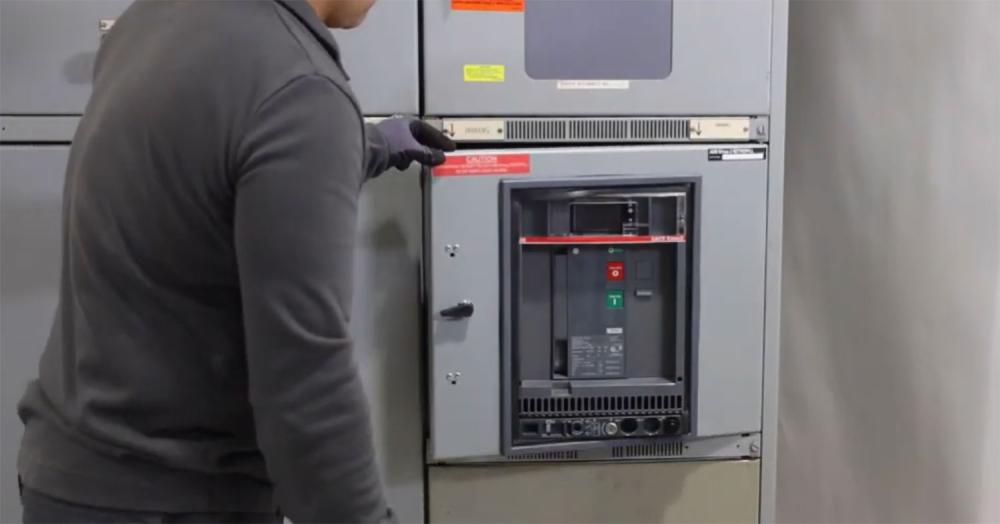
Upgrading aging electrical infrastructure doesn't have to mean extended downtime. With the right planning, equipment selection, and project strategy, many facilities can modernize critical electrical systems while keeping operations running.
Aging Electrical Equipment Doesn't Always Require a Full Shutdown
For many facilities, aging electrical infrastructure eventually becomes impossible to ignore. Circuit breakers become obsolete, switchgear reaches the end of its service life, electrical loads increase beyond the original design, or replacement parts become more difficult to source.
The challenge isn't simply replacing equipment. It's finding a way to complete the work without bringing production, manufacturing, or critical operations to a halt.
For data centers, hospitals, water treatment facilities, manufacturing plants, commercial buildings, and utility infrastructure, even a few hours of downtime can result in significant operational and financial consequences.
Fortunately, replacing an entire electrical distribution system all at once is rarely the only option.
With proper planning, many facilities can modernize electrical infrastructure in carefully planned stages that improve reliability, address safety concerns, and minimize operational disruption.
Start With the Entire Electrical Distribution System
One of the biggest mistakes facilities make is treating equipment failures as isolated events.
A failed breaker may actually indicate:
- Aging switchgear
- Increasing electrical loads
- Changes in fault current
- Coordination issues
- Deteriorating protective devices
- Deferred maintenance
Rather than replacing one component at a time without understanding the larger system, it's often beneficial to evaluate how the entire electrical distribution system works together.
A comprehensive review may include:
- Utility service
- Transformers
- Switchgear
- Switchboards
- Panelboards
- Motor control centers (MCCs)
- Circuit breakers
- Disconnect switches
- Protective relays
Looking at the complete system can reveal opportunities to improve reliability, identify potential safety or maintenance concerns, and develop a more effective long-term modernization strategy.
Evaluate Whether Equipment Can Be Repaired, Retrofitted, or Modernized
One of the most common misconceptions is that older electrical equipment automatically needs to be replaced.
In reality, many switchgear lineups, switchboards, panelboards, and motor control centers remain mechanically sound for decades. Individual components or protective devices may become obsolete or require attention long before the entire electrical distribution system needs replacement.
The real question becomes:
What is the most practical long-term solution?
Depending on the condition of the equipment, that solution may involve:
- Repairing existing components
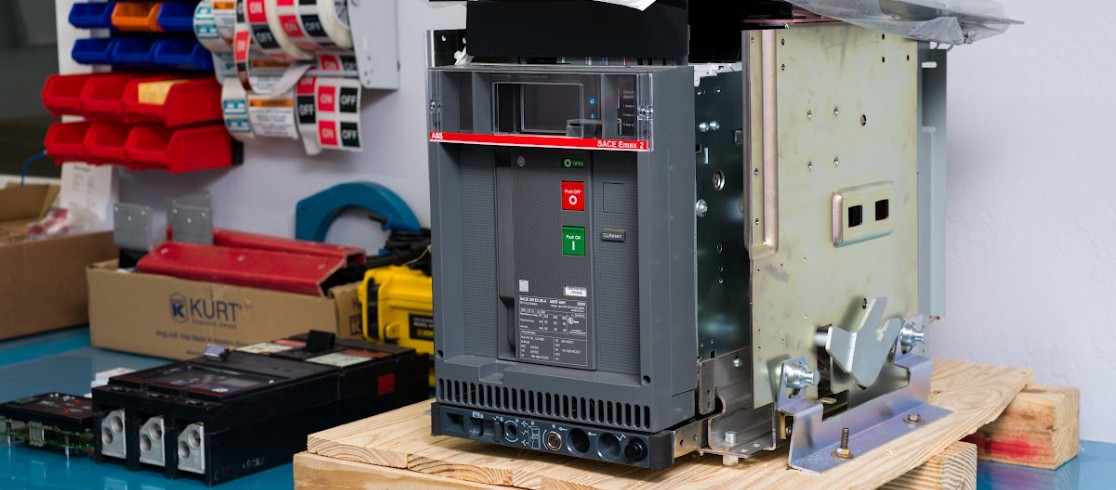
- Replacing obsolete circuit breakers
- Upgrading electronic trip units
- Installing retrofit breaker solutions
- Modernizing individual sections
- Replacing only equipment that has reached the end of its useful life
Bay Power works with customers to evaluate these options based on equipment condition, operational requirements, available downtime, safety considerations, and long-term maintenance goals. Rather than recommending full replacement by default, the objective is to identify an approach that improves reliability and system protection while minimizing unnecessary disruption.
Plan Upgrades in Phases
Large electrical modernization projects rarely need to happen all at once. For facilities where extended shutdowns aren't practical, improvements can often be divided into manageable phases and completed during planned outage windows.
The number and scope of those phases will depend on the facility, the condition of its electrical system, operational priorities, available downtime, and the findings of the initial assessment.
Some projects may require only a few phases, while larger or more complex facilities may benefit from a longer-term modernization plan.
A phased approach might look something like this:
Phase 1: Assess the System and Establish Priorities
Start by developing a clear understanding of the existing electrical distribution system and identifying where attention is needed.
An arc flash study and power system analysis can help establish that baseline and identify conditions that may affect worker safety, system protection, equipment reliability, and future modernization decisions.
This initial phase may include:
- Performing an arc flash hazard analysis and applicable power system studies
- Assessing existing electrical equipment
- Identifying safety, maintenance, and compliance concerns
- Reviewing considerations related to NFPA 70E and NFPA 70B
- Identifying obsolete or higher-risk equipment
- Prioritizing improvements based on risk and operational needs
- Identifying practical downtime windows for future work
The objective isn't simply to create a list of equipment that should be replaced. It's to establish where the electrical system stands today and determine what deserves immediate attention, what can continue to be maintained, and what should become part of a longer-term modernization plan.
Phase 2: Address Priority Equipment and System Needs
Once priorities have been established, implementation can begin with the equipment and system improvements identified as the most important.
Depending on the facility, this might include:
- Replacing groups of obsolete or aging circuit breakers
- Modernizing selected switchgear or other electrical distribution equipment
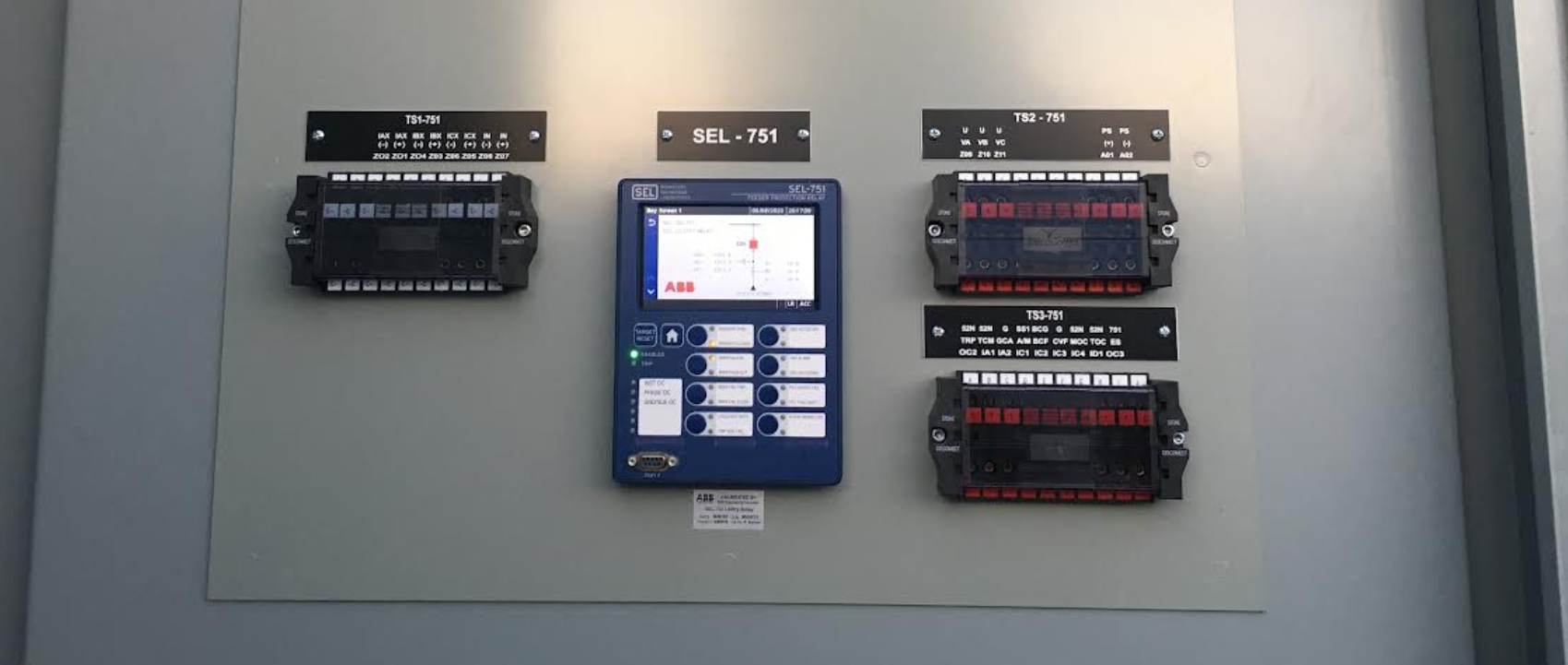
- Upgrading protective devices or systems
- Performing necessary testing and maintenance
- Deploying products, solutions, and methods that help limit arc flash hazards wherever practical
Rather than attempting to address every issue during one extended shutdown, work can be grouped around scheduled outages and operational priorities.
For example, a facility with a large number of aging breakers may be able to address the highest-priority equipment during one scheduled outage and continue the program during future maintenance windows. The specific approach should be driven by the condition of the system, operational needs, and the findings of the initial assessment.
Phase 3 and Beyond: Continue the Modernization Plan as Needed
Additional phases can continue addressing priorities established during the initial assessment.
This may include changing out more groups of breakers across additional phases, modernizing additional equipment, completing lower-priority improvements, performing additional testing and maintenance, or addressing changing facility requirements.
Not every project will require additional phases. For larger facilities with extensive aging electrical infrastructure, however, modernization may continue across multiple planned outages and capital budget cycles. The modernization plan should reflect the needs of the facility and evolve as improvements are completed, equipment ages, electrical loads change, and new operational requirements emerge.
A phased strategy gives facility managers, contractors, and engineers a practical way to address the most important needs first while developing a longer-term plan for electrical reliability, safety, maintenance, and capital investment.
Use Power System Studies to Make Better Decisions
Electrical upgrades should be driven by engineering data, not assumptions.
Power system studies help facilities better understand existing conditions and evaluate how proposed changes may affect the electrical distribution system.
Depending on the project, studies may include:
- Arc flash hazard analysis
- Protective device coordination studies
- Short-circuit analysis
- Load flow studies
These evaluations provide information that can help prioritize upgrades, evaluate electrical safety concerns, improve protective device coordination, and support informed modernization decisions.
An arc flash hazard analysis is particularly important when evaluating electrical safety. NFPA 70E addresses electrical safety-related work practices, including arc flash risk assessment, equipment labeling, appropriate personal protective equipment (PPE), worker training, and methods for reducing exposure to electrical hazards.
NFPA 70B provides guidance related to electrical equipment maintenance, making maintenance and testing another important part of the long-term strategy for aging electrical infrastructure.
Bay Power facilitates power system and arc flash studies as part of its modernization and infrastructure planning services, helping customers translate study findings into practical equipment, maintenance, and infrastructure priorities.
Consider Lead Times Early
Factory lead times continue to influence electrical infrastructure projects.
Waiting until equipment fails often limits available options.
Planning ahead allows facilities to:
- Identify obsolete equipment before failure
- Develop replacement strategies
- Schedule planned outages
- Order long-lead equipment in advance
- Evaluate retrofit alternatives
- Reduce the need for emergency procurement
For facilities operating older electrical systems, proactive planning often provides significantly more flexibility than responding to an unexpected failure.
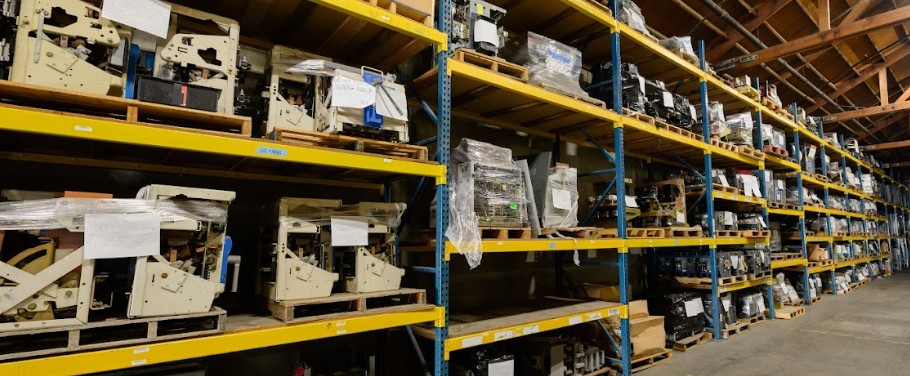
It can also help identify which equipment should be addressed first based on availability. Some electrical distribution products can be sourced relatively quickly, while others may require significant factory lead time or custom engineering.
Coordinate the Entire Project
Electrical modernization involves much more than purchasing equipment.
Successful projects may require coordination between:
- Facility management
- Electrical contractors
- Consulting engineers
- Maintenance teams
- Utility providers
- Equipment manufacturers
Bay Power supports customers throughout this process by providing application guidance, modernization planning, project consulting, and product expertise across electrical distribution systems.
Our capabilities include breaker retrofits, protective relay upgrades, root cause analysis, jobsite consulting, equipment sourcing, testing and repair, and support for power system studies.
This broader approach can help customers turn individual equipment concerns into a practical long-term modernization plan rather than treating every problem as an isolated equipment purchase.
Modern Equipment Can Improve More Than Reliability
Upgrading aging electrical infrastructure often delivers benefits beyond replacing worn or obsolete equipment.
Depending on the system and the improvements being made, modernization may provide:
- Improved protective coordination
- Enhanced electrical safety
- Better diagnostics
- Increased equipment availability
- Simplified maintenance
- Greater system flexibility
- Support for future expansion
- Improved ability to manage or reduce arc flash hazards
For facilities planning future growth, modernization can also position the electrical system to support additional capacity without relying on repeated emergency upgrades.
Why Work With Bay Power?
Electrical infrastructure projects involve more than selecting replacement equipment. They require experience evaluating aging systems, identifying practical modernization opportunities, and balancing reliability, safety, lead times, project budgets, and operational constraints.
Bay Power helps electrical contractors, engineers, facility managers, maintenance professionals, and purchasing teams develop practical solutions for complex electrical distribution challenges.
Our capabilities include:
- Electrical distribution modernization planning
- Switchgear and switchboard upgrades
- Motor control center modernization
- Circuit breaker replacement and retrofit solutions
- Protective relay upgrades
- Power system and arc flash studies
- Testing, diagnostics, and repair services
- UL 508A custom control panel manufacturing
- Jobsite consulting and project support
Bay Power also combines extensive electrical equipment knowledge with access to current technologies from leading manufacturers, including our relationship as an authorized ABB distributor. This allows our team to support existing electrical infrastructure while helping customers evaluate practical paths toward current equipment and modernization solutions.
Whether you're replacing a single component or planning a facility-wide modernization initiative, the objective is the same: improve reliability and safety while minimizing unnecessary downtime and developing a practical path forward.
Planning Today Helps Prevent Emergency Replacements Tomorrow
The best electrical infrastructure projects aren't driven by equipment failure. They're driven by preparation.
Evaluating aging equipment before it becomes a problem allows facilities to identify safety and maintenance concerns, prioritize upgrades, schedule outages on their terms, and make informed decisions about repair, retrofit, or replacement.
For facilities with electrical infrastructure that may be decades old, the objective doesn't necessarily have to be replacing everything at once. A properly developed modernization strategy can establish where the system stands today, identify the most important improvements, and create a phased path forward that works within operational and capital constraints.
Whether you're planning a switchgear modernization, expanding a motor control system, replacing aging transformers, or evaluating obsolete circuit breakers, Bay Power can help develop a practical strategy that supports your facility's long-term operational goals.
Ready to start planning your electrical distribution modernization project? Contact Bay Power to discuss your existing equipment, operational requirements, and project goals.