(888) 732-5250
At some point, nearly every facility manager, maintenance supervisor, and electrical contractor faces the same difficult decision.
A critical breaker fails. A switchboard is showing its age. Routine testing uncovers problems that can no longer be ignored. Or perhaps replacement parts are becoming harder to find, and you're wondering how much longer your existing equipment can realistically stay in service.
Now you're left asking:
Do we repair it? Replace it? Or retrofit what we already have?
Making the wrong decision can be expensive. Repairing equipment that's already beyond its useful life can lead to repeated failures and unplanned downtime. Replacing an entire electrical distribution system when a targeted retrofit would have solved the problem can consume valuable budget and require unnecessary outages.
The good news is that there usually isn't just one solution.
The best approach depends on your equipment, your facility, your operational requirements, and your long-term goals. Understanding your options before making a decision can help reduce risk, control costs, and keep your operation running reliably.
The Real Question Isn't "Which Option Is Best?"
The better question is:
Which solution makes the most sense for your situation?
Every facility has different priorities. Some organizations need to restore power as quickly as possible. Others are planning upgrades months in advance. Some are working around aging equipment that manufacturers no longer support. Others simply want to avoid another unexpected shutdown.
Before recommending any solution, experienced electrical specialists typically ask questions like:
- How critical is this equipment to your operation?
- Can your facility tolerate a lengthy outage?
- Is the equipment actually beyond repair?
- Are replacement parts still available?
- Is this a one-time problem or part of a larger reliability issue?
- Are you trying to solve today's failure, or prevent the next one?
The answers often determine whether repair, replacement, or a retrofit provides the greatest value.
When Your Equipment Isn't Dead—It Just Needs the Right Repair
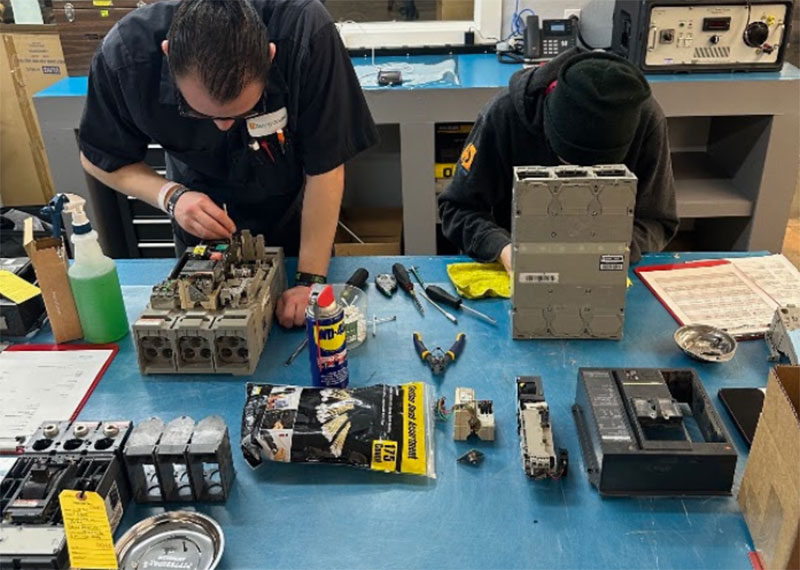
One of the biggest misconceptions is that older electrical equipment automatically needs to be replaced.
In many cases, it doesn't.
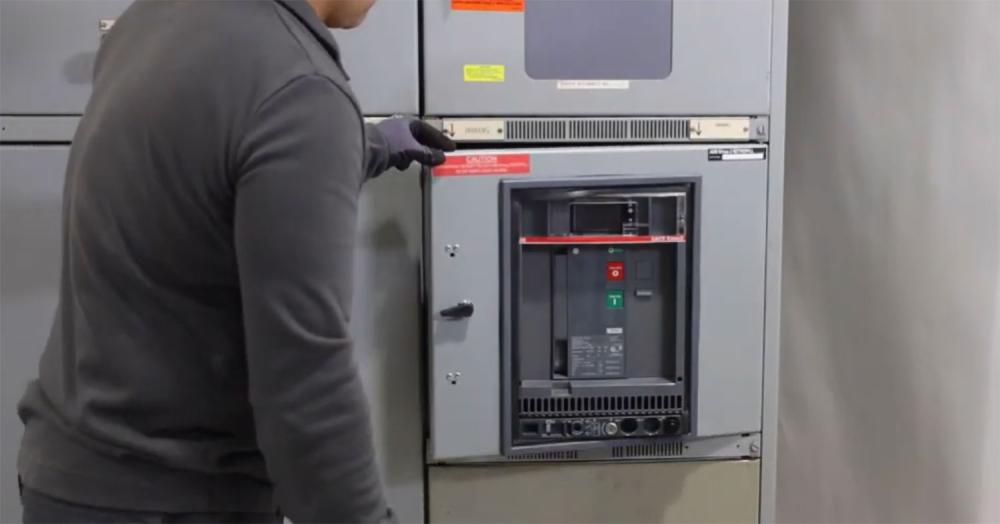
Circuit breakers, switchgear, motor control equipment, and other power distribution components can often be professionally inspected, tested, cleaned, repaired, calibrated, and returned to reliable service.
Repair is often the right choice when:
- The equipment remains mechanically sound.
- The issue is isolated to specific components.
- Replacement parts are still available.
- Downtime needs to be minimized.
- A complete replacement isn't currently necessary.
Professional testing frequently uncovers issues that aren't visible during a basic inspection. Worn contacts, weak operating mechanisms, calibration problems, control circuit issues, and deteriorating components can often be identified and corrected before they result in a much larger failure.
For many facilities, repairing the right equipment at the right time can extend its useful life for years while avoiding unnecessary capital expense.
When Continuing to Repair Equipment Starts Costing More Than Replacing It
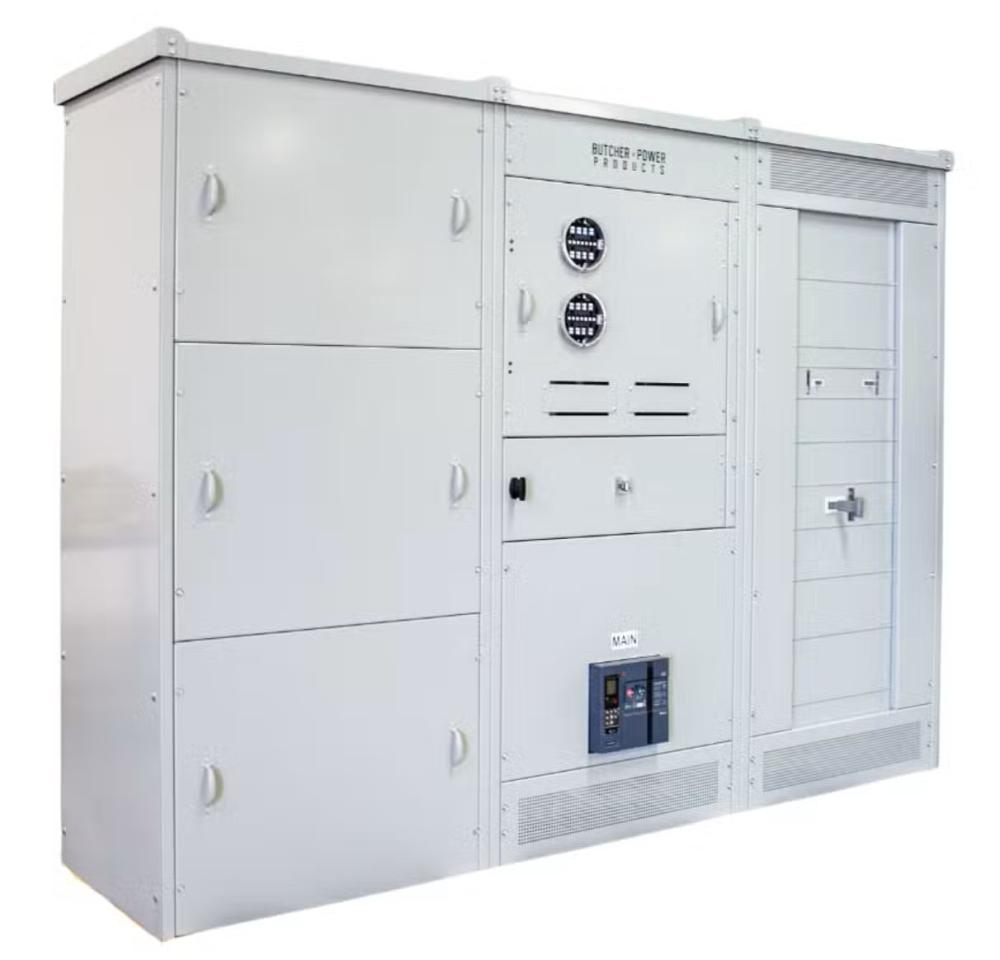
There comes a point where repair is no longer the most practical investment.
Perhaps the equipment has suffered significant damage. Maybe replacement parts are no longer available. Or perhaps repeated repairs are becoming more frequent, more expensive, and less effective.
These situations often leave facility managers asking another difficult question:
How much longer can we justify maintaining equipment that's becoming increasingly unreliable?
Complete replacement may be the right decision when:
- Equipment can no longer be safely repaired.
- OEM support has ended.
- Replacement parts are unavailable or have excessive lead times.
- Reliability has become unacceptable.
- Facility expansion requires higher-capacity equipment.
- Modern safety or protection features are needed.
While replacement offers long-term benefits, it also comes with important considerations.
Replacing switchgear or major electrical distribution equipment can require engineering, demolition, installation, commissioning, extended outages, and significant coordination with multiple trades.
For facilities that operate around the clock, downtime often becomes just as important a consideration as equipment cost.
When You Need Better Reliability Without Replacing Your Entire Electrical System
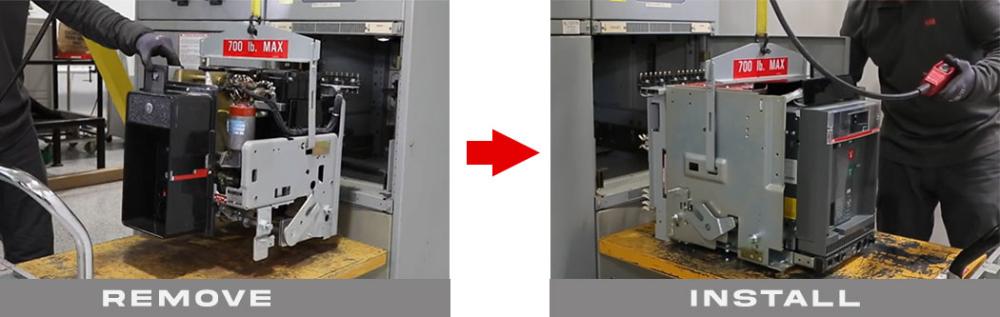
Many organizations discover there's a third option.
Rather than replacing an entire switchboard or switchgear lineup, a retrofit focuses on modernizing the components that matter most while preserving much of the existing infrastructure.
Depending on the application, a retrofit may include:
- Modern replacement circuit breakers
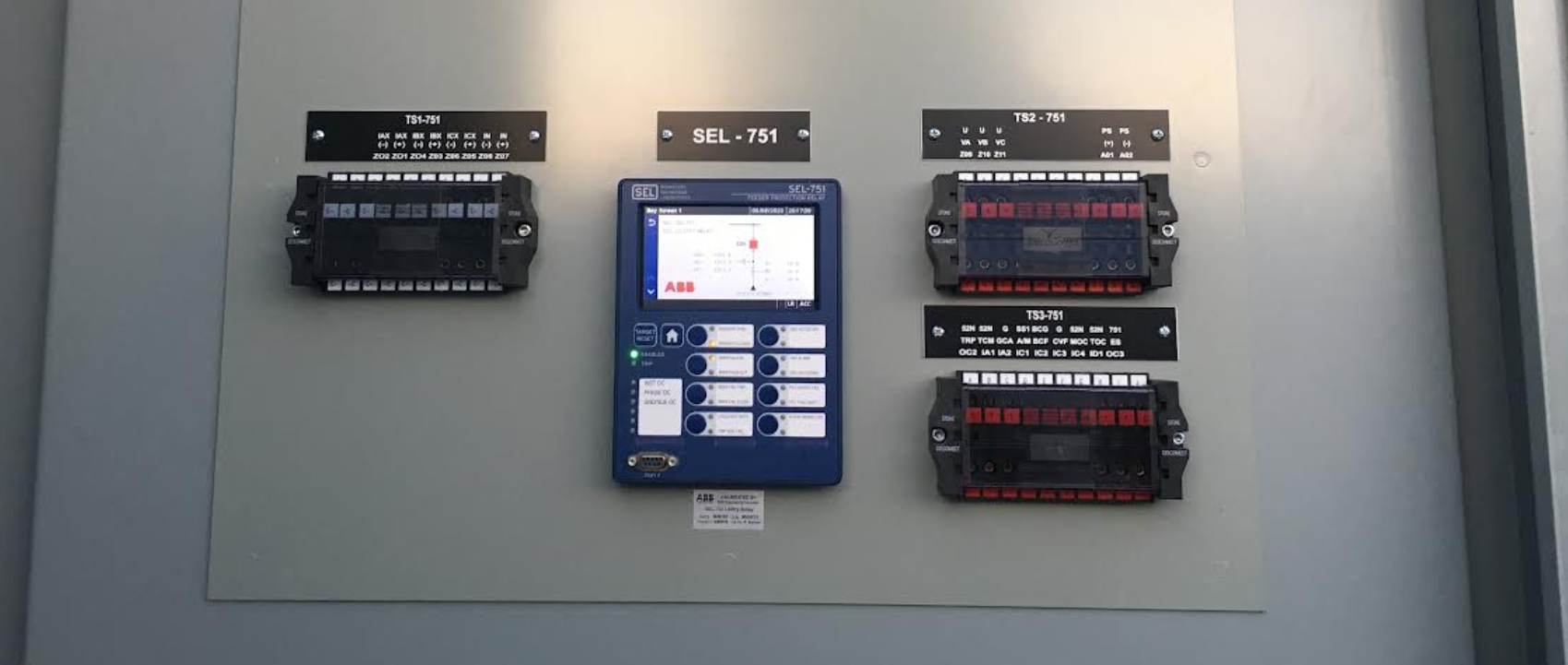
- Updated trip units and relays
- New operating mechanisms
- Improved metering capabilities
- Switchgear modernization
- Control system upgrades
This approach often provides many of the benefits of new equipment while reducing project cost, minimizing downtime, and shortening installation schedules.
It's one reason retrofits have become increasingly popular for facilities dealing with aging infrastructure, obsolete equipment, or long manufacturer lead times.
Don't Guess—Start With the Condition of Your Equipment
One of the most expensive mistakes organizations make is deciding on a solution before understanding the actual condition of their equipment.
Age alone doesn't determine whether equipment should be repaired or replaced.
Some electrical systems continue providing reliable service decades after installation when properly maintained. Others may require modernization much sooner because of operating conditions, maintenance history, or component availability.
A professional evaluation should include:
- Equipment inspection
- Electrical testing
- Mechanical assessment
- Review of maintenance history
- Discussion of operational requirements
- Long-term planning considerations
Only then can an informed recommendation be made.
Sometimes repair is the smartest investment. Sometimes replacement is unavoidable. Sometimes a retrofit delivers the best balance of cost, reliability, and downtime.
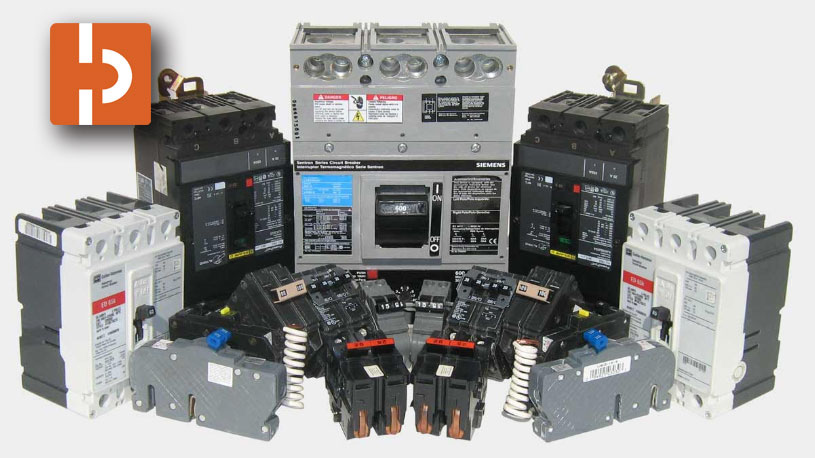
Facility Analysis Can Reveal Opportunities Beyond the Equipment
Evaluating aging electrical equipment isn't just about determining whether it should be repaired, replaced, or retrofitted. In many facilities, it's also an opportunity to review the overall condition and safety of the electrical distribution system. Services such as arc flash studies, power system analysis, and equipment assessments can identify potential safety hazards, verify that protective devices are properly coordinated, and uncover issues that may not be apparent during routine maintenance. Whether you're planning a modernization project or simply looking to improve long-term reliability, a comprehensive evaluation helps ensure you're making informed decisions based on the condition of your entire electrical system—not just a single piece of equipment.
The Hidden Cost of Waiting
- Increased downtime
- Emergency failures
- Higher repair costs
- Lost production
- Longer lead times
Don't wait for a failure to occur. Be proactive and set up maintenance schedules. Bay Power can help you determine a reasonable scheduling strategy for equipment upgrades.
Make the Decision Based on Facts—Not Assumptions
Every facility is different, and every electrical system has its own challenges.
The right answer isn't always the newest equipment, the least expensive repair, or the biggest project. It's the solution that restores reliability while minimizing downtime, operational risk, and unnecessary expense.
For more than 30 years, Bay Power has helped electrical contractors, industrial facilities, commercial buildings, utilities, and maintenance teams evaluate aging electrical distribution equipment and determine the most practical path forward. Whether that means certified testing and repair, replacement equipment, retrofit solutions, or complete modernization, our goal is the same: recommend the solution that best fits your facility—not simply the biggest project.
If you're evaluating aging circuit breakers, switchgear, motor control equipment, or other electrical distribution systems, our team can help assess your options and develop a solution that supports your operational goals while keeping downtime to a minimum. We carry solutions from all the top manufacturers, and are an ABB Authorized Dealer, which sets us apart from most other suppliers out there.