Repair, Replace, or Retrofit? How to Choose the Right Solution for Aging Electrical Distribution Equipment

Repair, Replace, or Retrofit Aging Electrical Distribution Equipment?

At some point, nearly every facility manager, maintenance supervisor, and electrical contractor faces the same difficult decision.

A critical breaker fails. A switchboard is showing its age. Routine testing uncovers problems that can no longer be ignored. Or perhaps replacement parts are becoming harder to find, and you're wondering how much longer your existing equipment can realistically stay in service. Don't wait for a failure to hit, be proactive! 

Read more

Facility Modernization and Breaker Retrofits

Facility Modernization and Breaker Retrofits

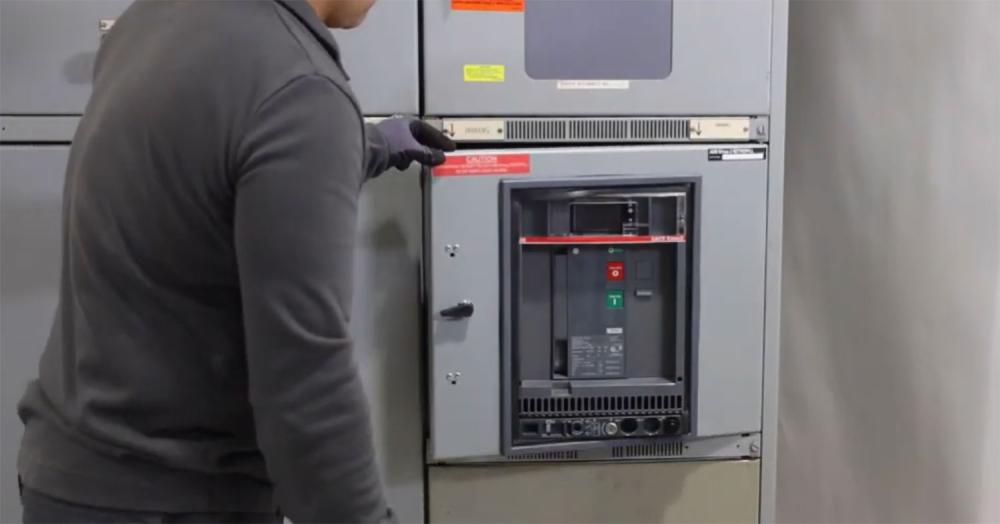
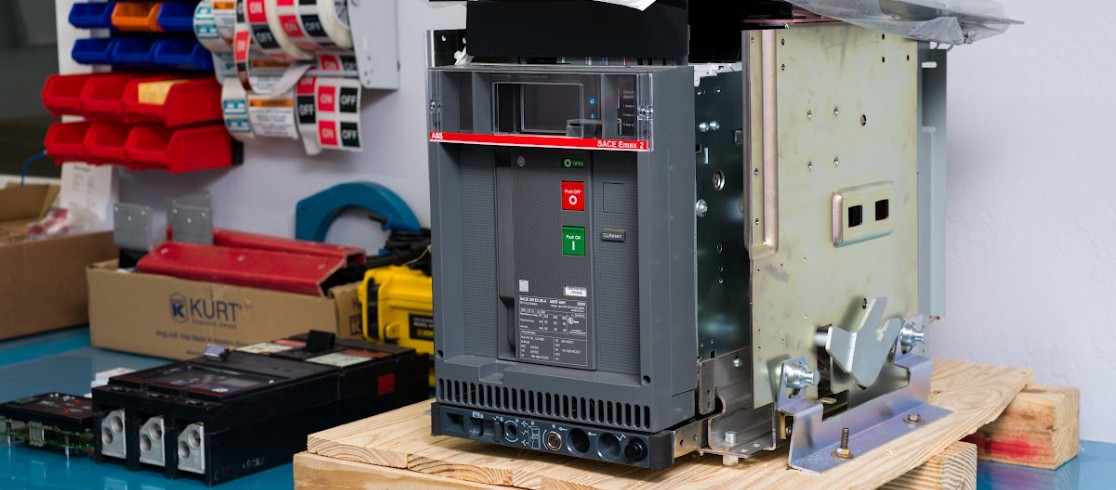
Facility modernization is becoming a priority across industrial, commercial, and institutional environments. As facilities age, one of the most common challenges is outdated medium voltage electrical equipment, particularly circuit breakers that are no longer supported, difficult to maintain, or misaligned with current safety expectations.

Rather than replacing entire switchgear lineups, many organizations are modernizing their electrical infrastructure by retrofitting older breakers and components with modern retrofit solutions. This approach improves safety and reliability while extending the useful life of existing equipment.

Read more

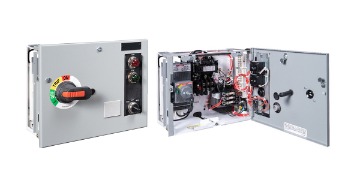
The Evolution of Motor Control Center (MCC) Buckets

Motor Control Center (MCC) Buckets

As an electrician, you have to know and understand various electrical components.

One crucial component to become familiar with is the Motor Control Center (MCC)—a centralized electrical enclosure that manages and distributes electrical power to motorized equipment in industrial settings.

Zooming in even further, within this pivotal system lies a smaller yet equally significant element —the MCC bucket—a removable unit within a motor control center that houses electrical components for controlling and protecting a specific motor or equipment.

This article will explore the history and functionality of MCC buckets and their evolution within the broader context of electrical distribution.

Read more

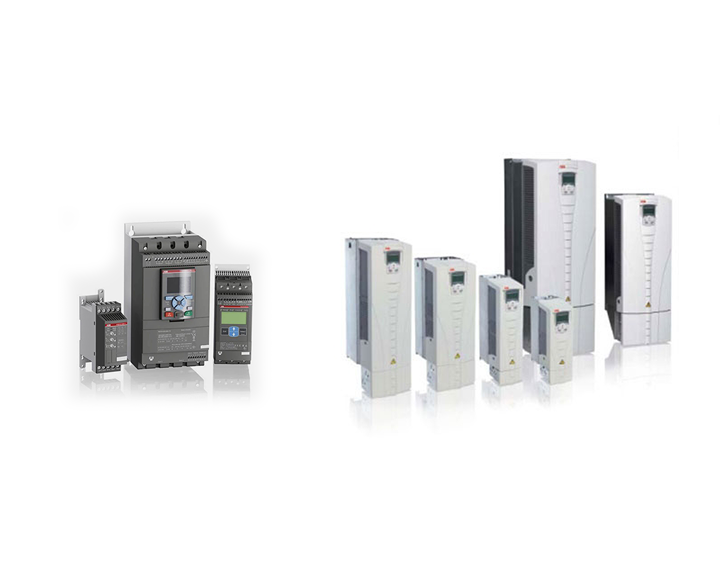
Soft Starters vs. Drives

Soft Starters vs Drives

In the realm of commercial and industrial applications, the reliable and efficient operation of electric motors is paramount. These motors power an array of machinery, from pumps and fans to conveyors and compressors, forming the backbone of countless processes. Ensuring the smooth initiation of these motors is not only essential for the longevity of the equipment but also for maintaining energy efficiency and reducing wear and tear on components. Two popular methods for achieving optimal motor initiation are soft starters and drives, each offering distinct advantages tailored to specific application requirements.

Read more

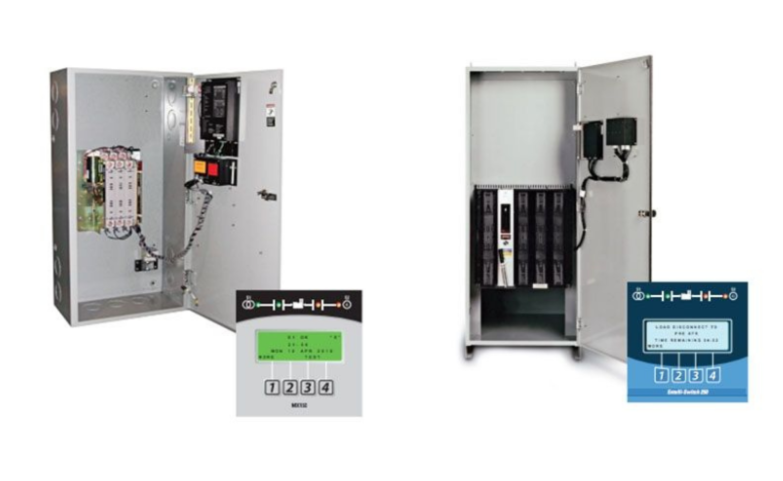
Zenith T-Series Automatic Transfer Switches

An automatic transfer switch (ATS) is an essential component of a standby power system. It is designed to automatically transfer the load from the primary power source to the backup power source in the event of a power outage. The transfer switch is responsible for sensing the loss of power and initiating the switch to the backup power source. Zenith has been a pioneer in manufacturing and designing high-quality transfer switches for over 75 years.

Read more

Motor & Pump Control Panel—Fundamentals & FAQs

Are you looking for information about motor and pump control panels? Are there questions you have been wondering about installing and operating motor and pump control panels? Whether you are a first-time buyer or an experienced technician, this guide will provide all the information necessary to get the best use out of your motor and pump control panel from Bay Power. This article provides an overview of our motor & pump control panels and answers common questions. Keep reading to learn more. 

Read more

How to Read One-line Diagrams

Reading a one-line diagram for power distribution is essential for anyone working in the power industry. In this article, our team of experts at Bay Power explains how to read these diagrams, covering issues such as symbol conventions, basic topology diagrams, and other essential elements. Keep reading to learn more. 

Read more

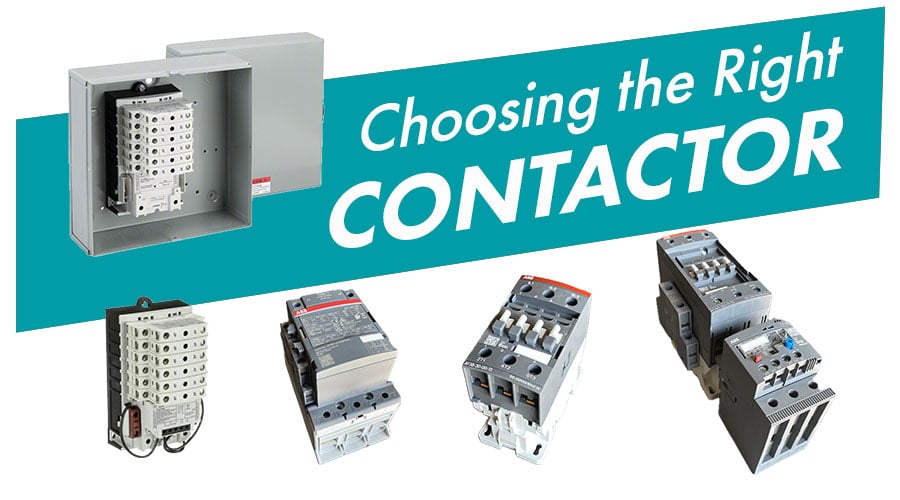
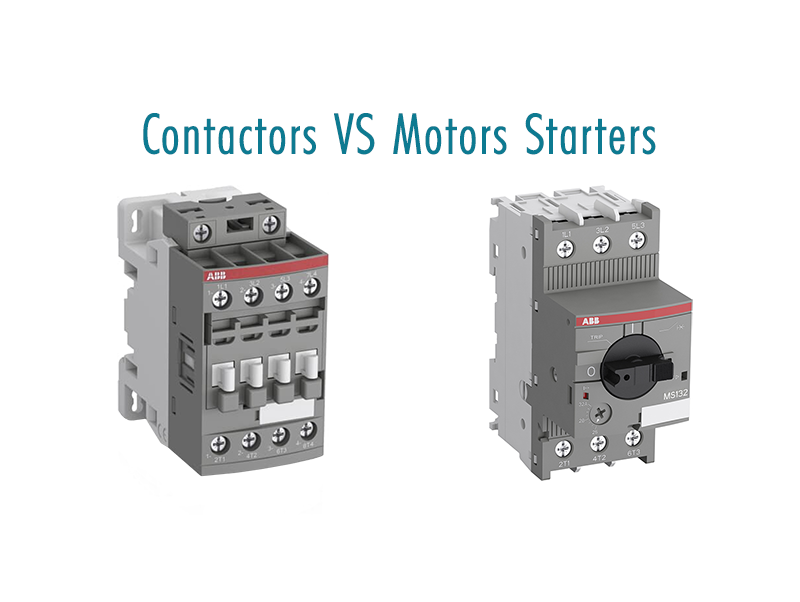
Contactor vs. Motor Starter: Core Differences

Contactor vs. Motor Starter

Electric motors are a common and essential part of many industrial systems. But to operate them safely and efficiently, they require either contactors or motor starters. Both contactors and motor starters serve the same purpose: to control the starting, stopping, speed, torque, direction of rotation, and other operational parameters of an electric motor.

However, there are some critical differences between contactors and motor starters that you should understand before selecting the right device for your application.

Read more

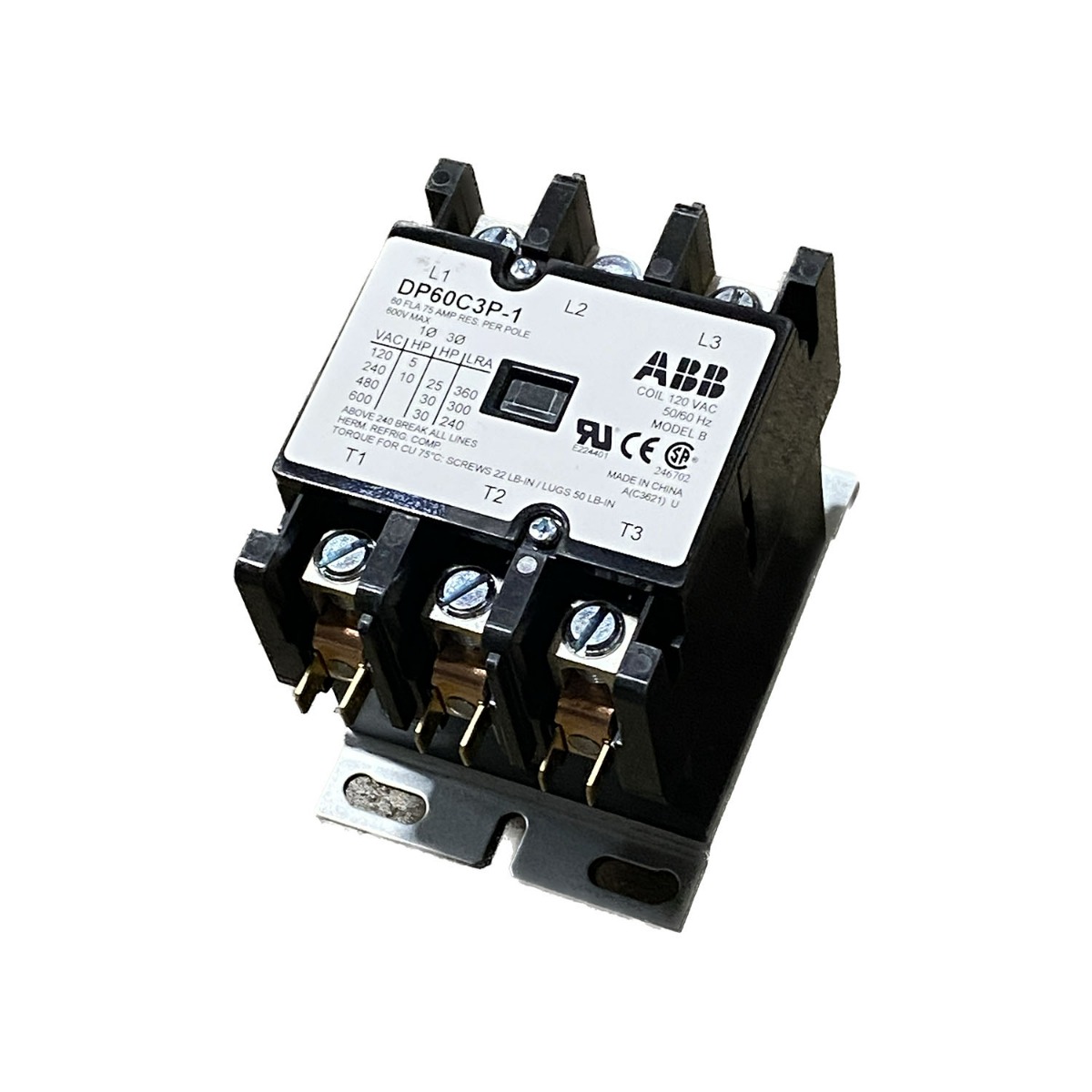
Everything You Need To Know About Definite Purpose Contactors

definite-purpose-contactors

The electrical industry can be complicated, especially for those without years of hands-on experience. That’s because there are dozens of terms that seem interchangeable, like circuit breakers and switchgear, and various things that come in multiple varieties, including contactors. 


This article focuses on definite purpose contactors. So, if you’re sifting through options for a suitable contactor for your application, continue reading to learn more!

Read more

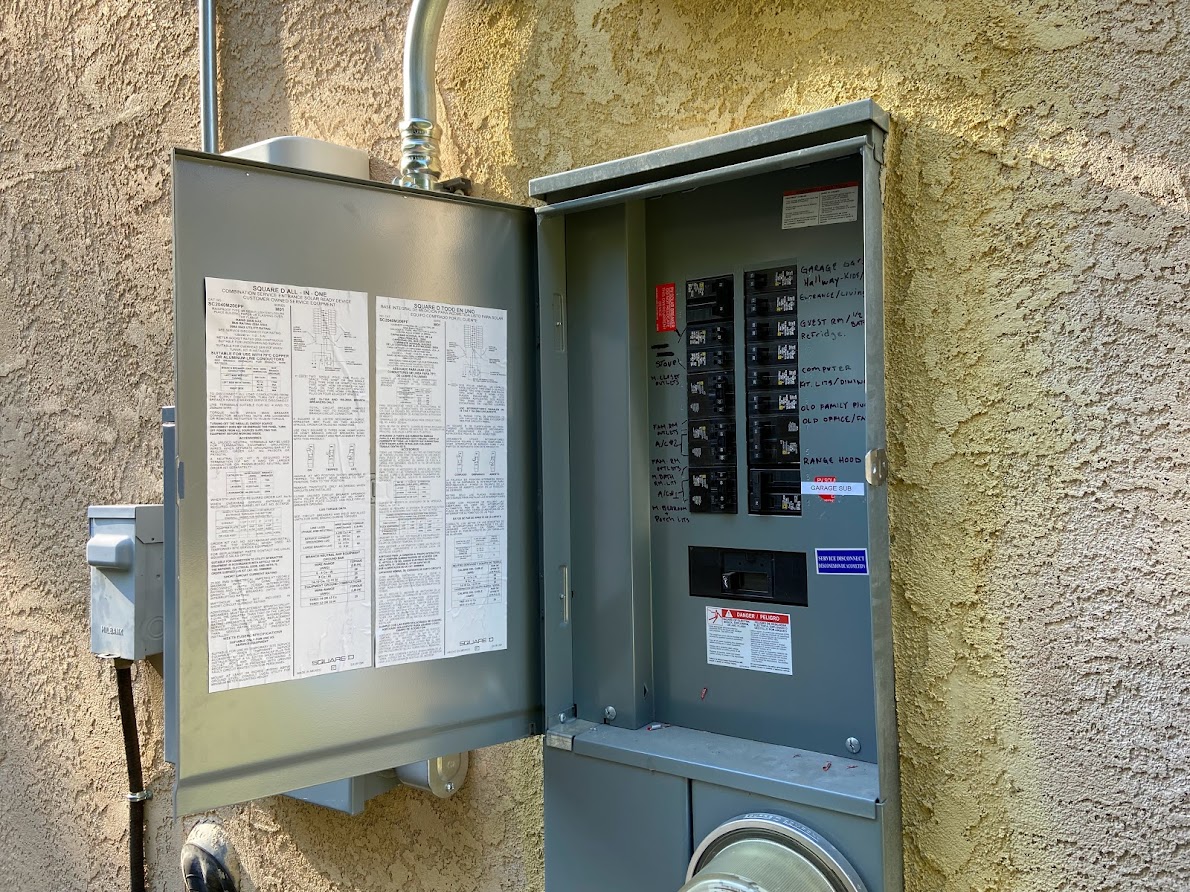
How To Label An Electrical Panel

A clearly labeled electrical panel is essential for a variety of reasons. However, if your electrical panel doesn’t feature clear labels, it’s time to change that. Luckily the process of labeling your panel is relatively straightforward and only takes a few hours. This Bay Power guide reviews how to label electrical panels and why you should, so continue reading to learn more!

Read more

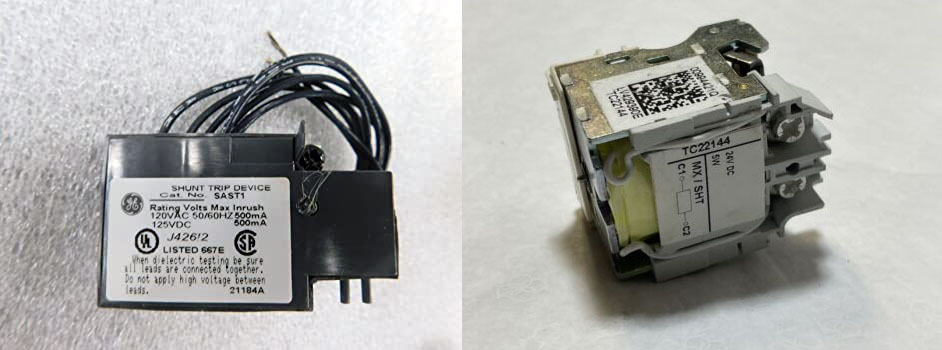
What Is A Shunt Trip?

A shunt trip is a circuit breaker protector that can remotely trip a breaker. 

Our everyday electrical systems are complex networks of breakers, wiring, receptacles, and more. And each component is essential to bring the electricity where we need it and keep production equipment running, like HVAC systems and lighting.

Each component has its place, including shunt trip circuit breakers, which are optional but can be an important component in the system. This particular piece is an accessory to the main breaker, adding extra protection to the system. This article explains shunt trips, how they work, and why they’re important.

Read on to learn more.

Read more

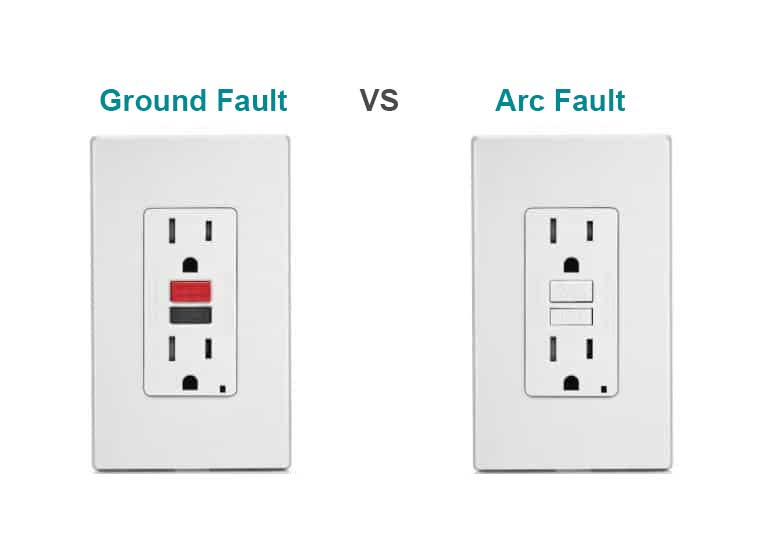
What is the Difference Between a Ground Fault and an Arc Fault?

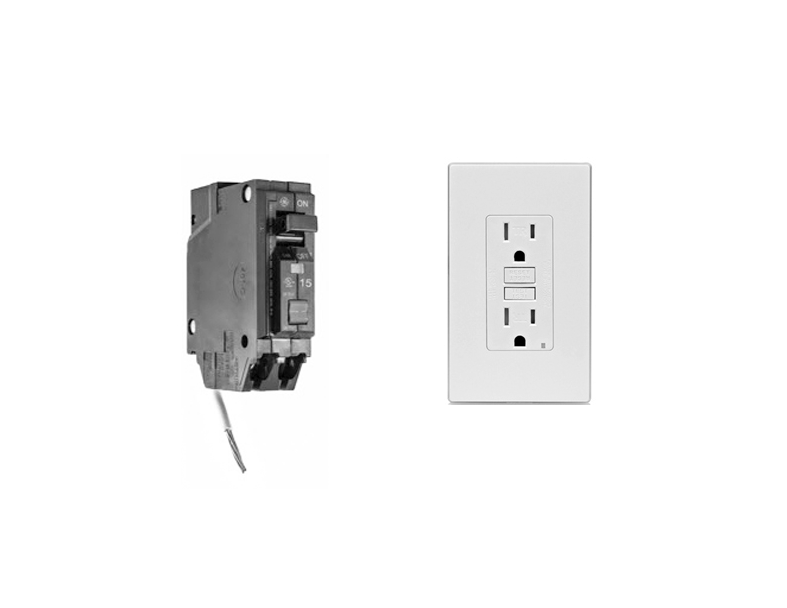
Ground faults and arc faults are two types of electrical faults that can occur in your home.  Both can be dangerous, but they’re caused by different things and happen in different ways. However, you can protect your home against both by using proper electrical equipment. The best way to protect against ground and arc faults is with GFCI and AFCI breakers and outlets.

Read more

NEMA vs. IP Ratings

What's the difference between NEMA Ratings and IP Ratings

NEMA and IP ratings are different ways to rate the enclosure of an electrical device. In this article we'll dive into the differences between these ratings and how each are used. 

Read more